The Manufacturer MX Awards celebrate excellence in the UK manufacturing sector, with an annual ceremony hosted by The Manufacturer in Liverpool. Columbus is proud to return as a sponsor of the awards, with our Product Strategy Director, Kevin Bull, serving for the second year as a judge for the ‘Smart Factory’ category.
In this article, Kevin shares his experience on this year’s judging panel and offers a fascinating insight into the next chapter of smart manufacturing. From aerospace to electronics, automotive to chemicals, it’s clear that UK factories are not only building on many of the innovative technologies we saw last year – but also nurturing the talent and expertise required to lead the way towards a digital future in manufacturing.
Embedding digital innovation across UK manufacturing
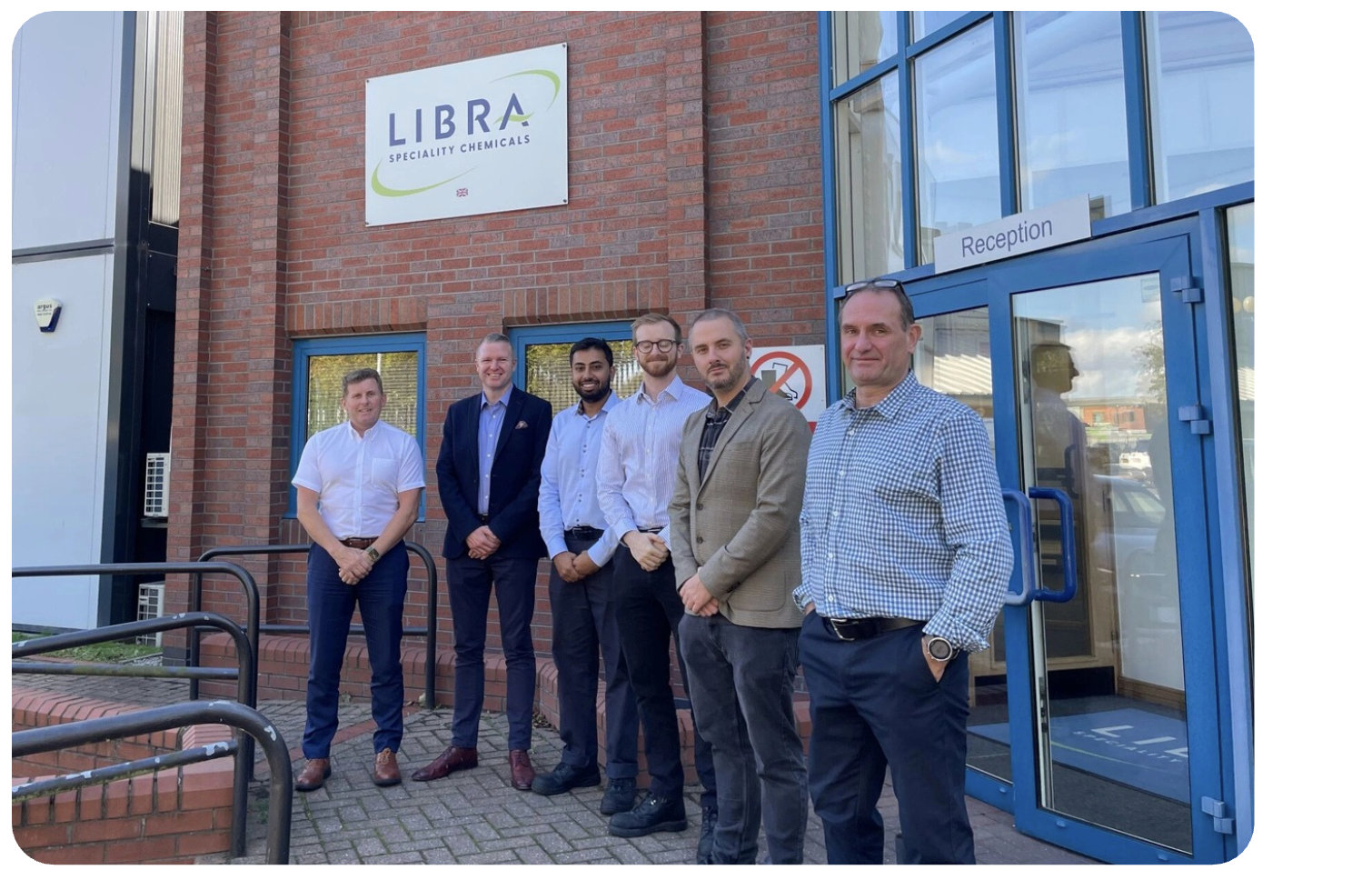
Returning as a judge for the ‘Smart Factory’ category at The Manufacturer MX Awards 2025 (TMMX) for the second year running, I once again had the great privilege of visiting a number of leading manufacturing businesses across the UK over a three-day period.
What struck me most this year was the increasing maturity of digital technologies on the shop floor: last year, many factories were still experimenting with emerging innovations; today, they are leading the way by embedding digital improvement into all areas of manufacturing. This commitment to bold innovation and continuous improvement is an exciting step forward in the next chapter of UK manufacturing.
Here are some of the stand-out innovations:
1. AI and machine learning driving quality and innovation
AI and machine learning continue to lead the digital revolution in manufacturing, with many factories seeing success with advanced technologies – such as vision systems and camera-based inspection tools – detecting defects in real time and enhancing quality control on the shop floor. But it doesn’t stop there: Generative AI is beginning to influence wider business operations, and many manufacturers are looking beyond Gen AI to even more high-tech AI solutions that will further optimise factory operations.
Interested in hearing the latest in AI news? Check out 'Future Bytes', Columbus’ podcast that cuts through the hype to show how AI works in business.
Listen here

2. Digital twins and virtual factory simulation
Digital twin technology is enabling manufacturers to model entire factories in a virtual environment. One factory has even designed, tested and validated a completely new production line digitally before beginning installation on the shop floor, dramatically reducing implementation risk, cutting project timelines, and optimising investment decisions – clearly demonstrating the value of digital modelling.
3. Predictive maintenance boosts productivity
Predictive maintenance was a standout trend in 2024, and it continues to boost productivity in manufacturing today. By linking equipment with supplementary sensors, manufacturers are monitoring machines in real time, detecting potential tool damage and acting before costly breakdowns occur. This efficient intervention reduces downtime, lowers maintenance costs, and extends the life of shop floor machinery.
4. Smart automation on the shop floor
Barcode scanning, weigh-scale validation, and quality sensors are being employed throughout factories to eliminate errors and improve assembly processes – and in some factories, laser scanning product components directly into 3D printing workflows is cutting out design bottlenecks entirely to optimise new product speed-to-market. This fusion of automation and digital innovation is streamlining processes and allowing human resource to be pooled elsewhere.
 5. In-house expertise powering digital progress
The focus on talent and skills is sharpening in manufacturing. Factories are increasing their internal expertise, by building teams of data scientists, developers and AI specialists to drive transformation from within. This capability is enabling manufacturers to design custom IT/OT platforms, shop floor apps and PLM systems to streamline operations.
Businesses are also integrating employee learning platforms and balancing their digital innovation with people-centric values. By owning and nurturing their internal expertise, manufacturers are ensuring long-term resilience in an industry suffering large-scale talent shortages.
Cybersecurity: a growing necessity
While cybersecurity wasn’t a formal judging criterion, it was a trending topic of discussion in every factory throughout the week, following the major Jaguar Land Rover cyberattack – which heavily impacted one of the factories we toured. It was clear that the need for robust security has never been greater.
We discussed at length how manufacturers can reduce the risk of cyberattacks while balancing the need for digital innovation – particularly around the integration data through IT/OT technologies, which could expose businesses to greater risk. It’s clear to all that cyber resilience must be built into manufacturing businesses from the ground up.
Nurturing future talent
A highlight of the judging process was seeing apprentices and young engineers taking an active role, with many apprentices leading tours and sharing ideas with the judges – demonstrating the sector’s commitment to developing future talent. This is an encouraging sign that digital skills and fresh thinking are being embedded early in manufacturing careers.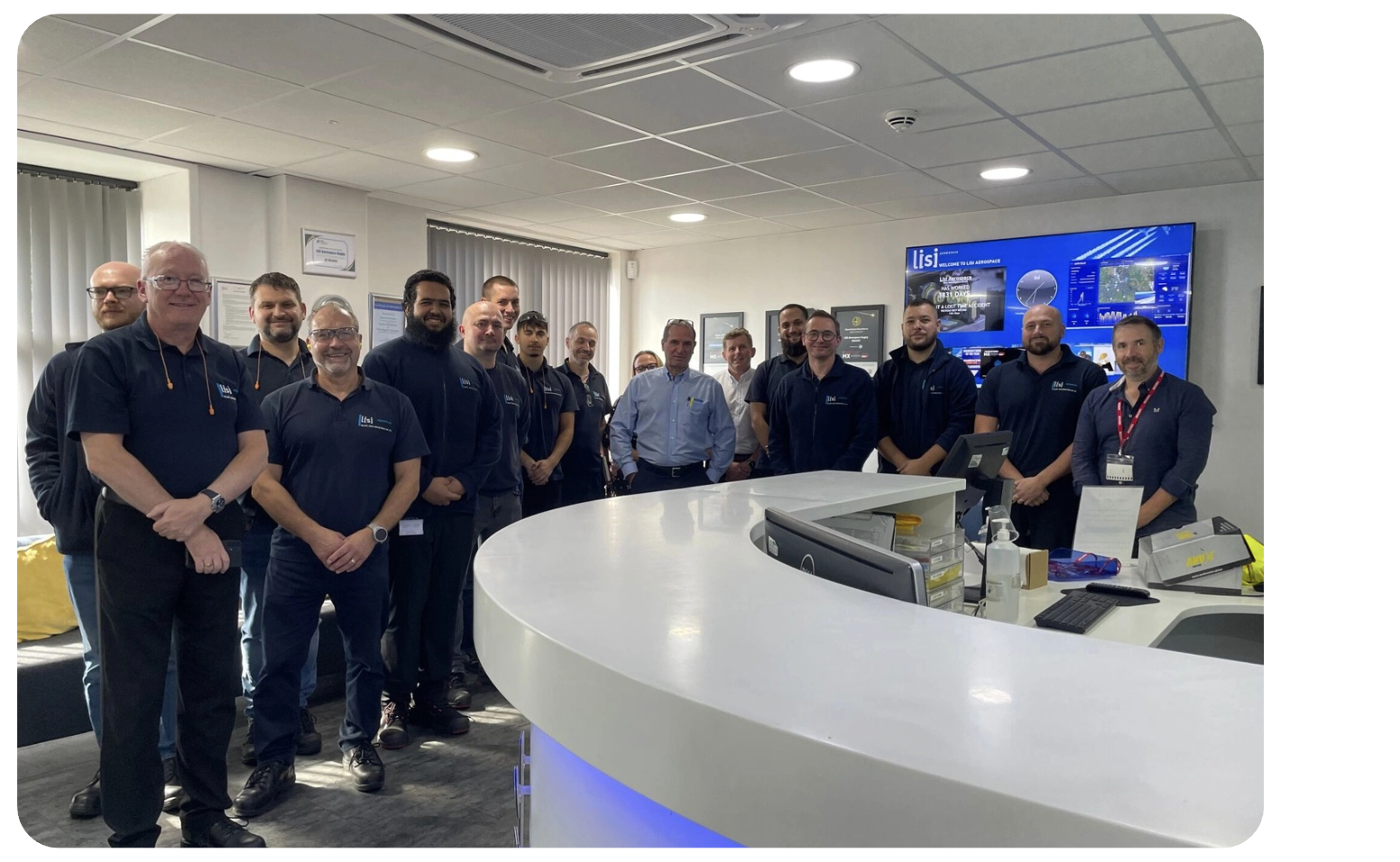
UK smart factories leading the global charge
With some of the shortlisted manufacturers now extending this tech in their factories across the world, the TMMX Awards confirms that UK manufacturers aren’t just embracing digital innovations – they are scaling them, embedding them, and actively shaping the global manufacturing industry.
At Columbus, we’re proud to play our part in supporting this transformation, partnering with manufacturers to leverage AI, predictive maintenance, digital twins and connectivity platforms to build secure, future-ready smart factories.
